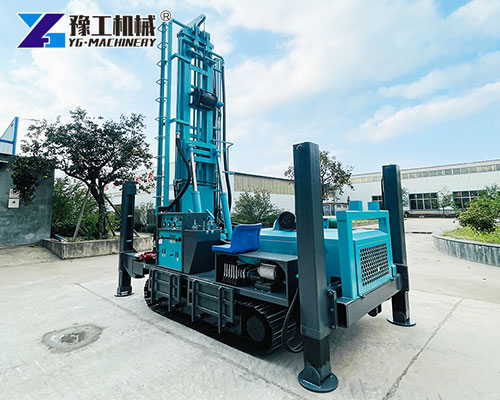
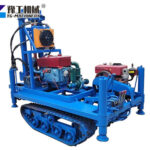
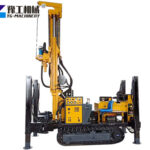
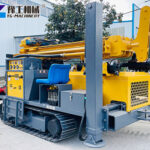
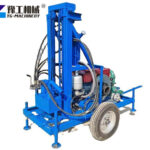
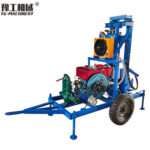
Choosing the right support equipment is just as important as selecting the drilling rig itself. In water well drilling, air compressors and mud pumps directly affect drilling speed, hole stability, and overall project cost. Many drilling problems come from improper matching, not from the drilling rig.
This article explains how to match air compressors and mud pumps based on real drilling needs, helping you build a practical and flexible water well drilling equipment setup.
What Role Air Compressors And Mud Pumps Play In Water Well Drilling
A water well drilling rig is responsible for rotation and penetration, but it cannot work efficiently alone.
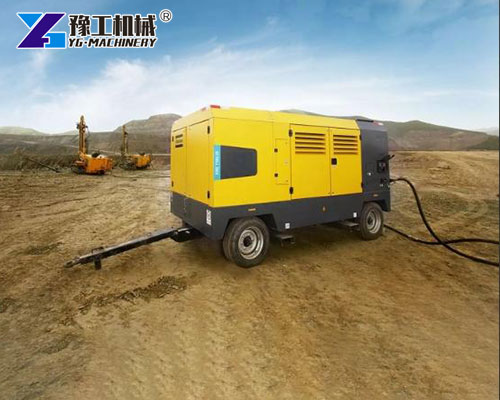
An air compressor supplies high-pressure air to remove cuttings from the borehole. It also helps cool the drill bit and keeps the hole clean during air drilling operations.
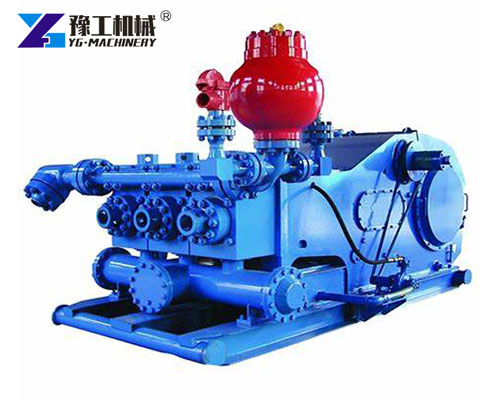
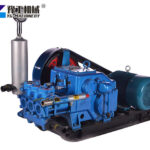
A mud pump circulates drilling fluid to carry soil and rock fragments out of the hole. At the same time, drilling mud supports the borehole wall and reduces collapse risks.
These two systems serve different purposes. Choosing the wrong one for your project can slow down drilling, increase costs, or even cause hole failure.
Key Factors That Decide Which System You Need
There is no universal solution for all projects. The correct matching depends on several key factors.
Drilling depth Shallow wells often allow more flexibility, while deep wells require stronger and more stable support systems.
Soil and rock conditions Hard rock favors air drilling, while soft soil and sand usually need mud circulation for stability.
Formation stability Loose or fractured layers are more likely to collapse without mud support.
Water availability on site Mud drilling requires water. In dry or remote areas, air compressors are often preferred.
Project efficiency requirements Some projects prioritize speed, while others focus on safety and hole quality.
Understanding these factors helps you decide whether an air compressor or a mud pump is the better choice.
When Air Compressor Drilling Is The Better Choice
Using an air compressor for water well drilling works best under specific conditions.
Hard rock or compact formations
Deep wells with stable rock layers
Areas with limited water supply
Projects requiring a faster drilling speed
Air drilling removes cuttings quickly and keeps the hole clean. It is commonly used in mountain areas and rocky regions where mud circulation offers little benefit.
However, air drilling is not ideal for loose soil or sand, where borehole collapse is more likely.
When Mud Pump Drilling Works Better
Mud pump drilling is widely used for soft and unstable formations.
Clay, sand, or loose soil layers
Shallow to medium depth wells
Projects requiring strong borehole wall support
Sites where water supply is available
Drilling mud stabilizes the borehole and reduces the risk of collapse. Although drilling speed may be slower, the success rate is often higher in unstable ground conditions.
Mud drilling is also easier for beginners because it provides more control during drilling.
Common Mistakes When Matching Drilling Rigs With Compressors Or Pumps
Many drilling problems come from incorrect equipment matching.
Choosing an oversized air compressor that exceeds the rig’s capacity
Ignoring airflow and pressure requirements for deep drilling
Selecting a mud pump without considering the drilling depth
Copying other projects without checking local soil conditions
Avoiding these mistakes can significantly improve drilling efficiency and reduce downtime.
Typical Equipment Matching Examples For Water Well Drilling
Based on common field applications, typical matching setups include:
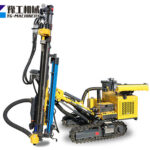
Small water well drilling rig combined with a medium-capacity air compressor for hard rock drilling
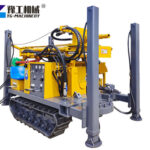
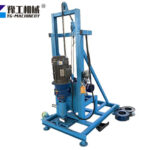
Shallow drilling rig paired with a mud pump for soft soil formations
Mixed-condition projects that switch between air drilling and mud drilling systems
These examples show that equipment matching should always be flexible and project-oriented.
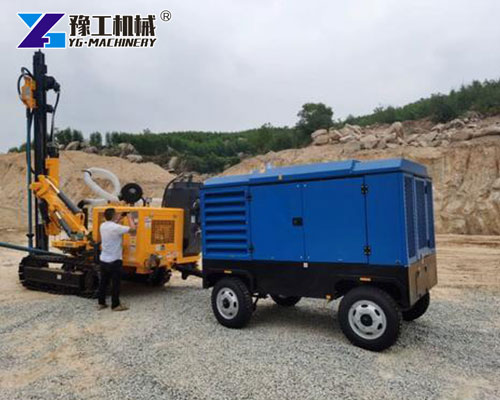
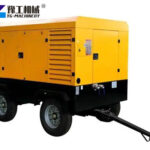
Mobile Air Compressor Connected to Water Well Drilling Rig
How To Choose A Flexible Drilling Setup For Different Projects
Some contractors work in areas with changing geological conditions. In this case, flexibility becomes more important than specialization.
A drilling rig designed to support both an air compressor and a mud pump system allows operators to adjust quickly. While the initial investment may be higher, the ability to handle different projects often reduces long-term costs.
This approach is especially useful for contractors serving multiple regions.
Practical Advice Before Buying Supporting Equipment
Before purchasing an air compressor or mud pump, consider the following:
Analyze your most common drilling conditions
Focus on matching recommendations, not just equipment price
Avoid over-investing in oversized systems
Consult experienced suppliers for real project-based advice
Correct equipment matching improves drilling performance and protects your investment.