Choosing the right aerial platform lift is a critical decision for construction companies, maintenance contractors, and industrial operators. With so many lift types available on the market, selecting the wrong equipment can lead to reduced efficiency, higher operating costs, and increased safety risks.
Different projects require different working heights, outreach capabilities, load capacities, and mobility. This guide will help you understand the main types of aerial platform lifts and the key factors you should consider, so you can select the most suitable solution for your specific project needs.
What Is an Aerial Platform Lift?
An aerial platform lift is a mechanical device designed to provide temporary access to elevated work areas. It allows operators to safely lift personnel, tools, and materials to height for tasks such as construction, installation, inspection, and maintenance.
Aerial platform lifts are widely used in industries, including:
Building construction
Facility maintenance
Warehousing and logistics
Industrial plants
Municipal and utility projects
Depending on the application, different lift designs offer unique advantages in terms of reach, stability, and maneuverability.
Types of Aerial Platform Lifts and Their Applications
Understanding the main types of aerial platform lifts is the first step in making the right choice. Each category is designed for specific working conditions and access requirements.
Boom Lifts (Telescopic & Articulated)
Boom lifts are ideal for projects that require both vertical and horizontal reach.
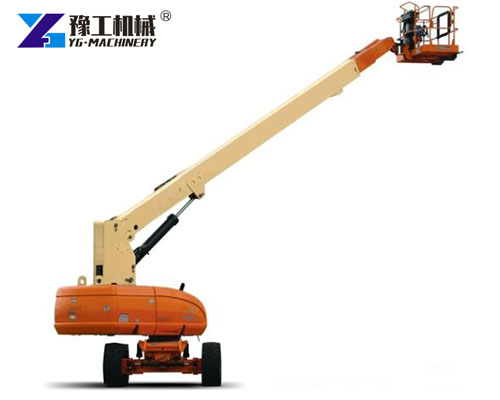
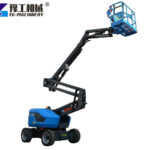
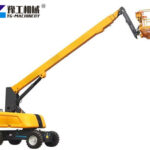
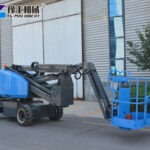
Telescopic boom lifts (straight boom lifts) provide extended horizontal outreach, making them suitable for large outdoor construction sites, bridge work, and steel structure installation.
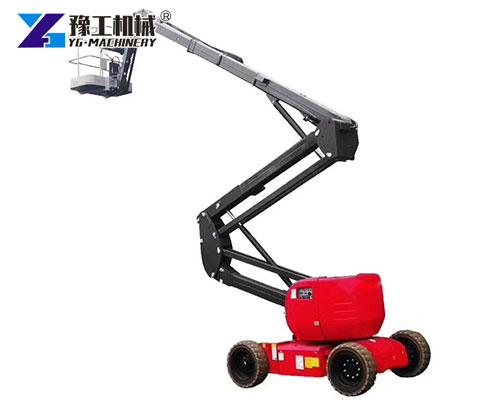
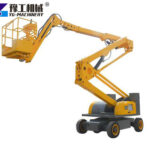
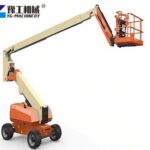
Articulated boom lifts (knuckle boom lifts) feature jointed arms that allow operators to maneuver around obstacles. They are commonly used for building façade work, industrial maintenance, and complex access areas.
Typical applications include:
High-rise construction
Exterior building maintenance
Industrial facility access
Telescopic Boom Lift for Sale
Articulating Boom Lift for Sale
Scissor Lifts (Fully Automatic & Semi-Automatic)
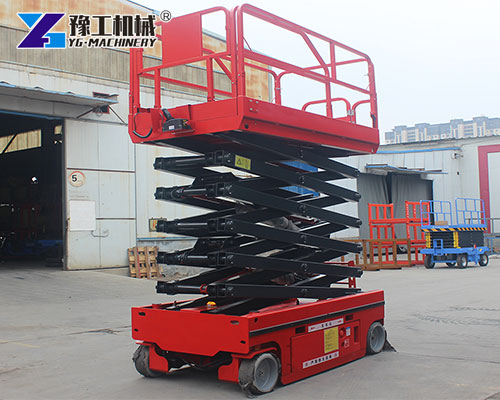
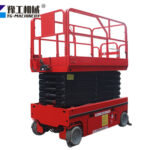
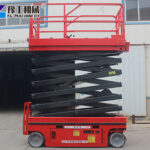
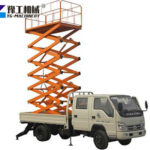
Scissor lifts are designed for vertical lifting and offer excellent stability and load capacity.
Fully automatic scissor lifts are powered and controlled entirely by onboard systems, allowing efficient movement and lifting with minimal manual effort.
Semi-automatic scissor lifts usually require partial manual operation, offering a more cost-effective solution for simpler tasks.
Scissor lifts are widely used for:
Warehouse operations
Indoor maintenance
Flat outdoor job sites
They are especially suitable when multiple workers and heavy tools need to be lifted straight up.
Electric Scissor Lift
Scissor Lift Platform
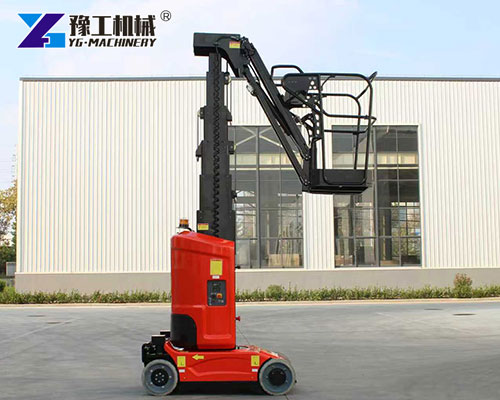
Vertical Mast Lifts
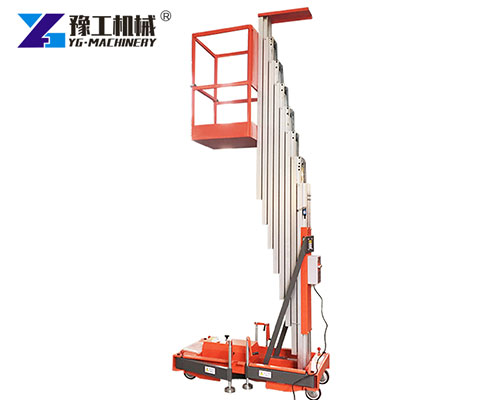
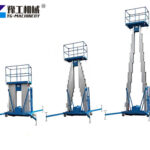
Vertical mast lifts, also known as personnel lifts or mast lifts, are compact and lightweight. Their narrow design allows easy access through standard doorways and tight spaces.
These lifts are commonly used in:
Shopping malls
Hotels
Office buildings
Indoor installation and repair work
If your project involves limited space and moderate working height, a vertical mast lift is often the most practical option.
Vertical mast lift
Single Mast Aluminum Lift
Spider Lifts
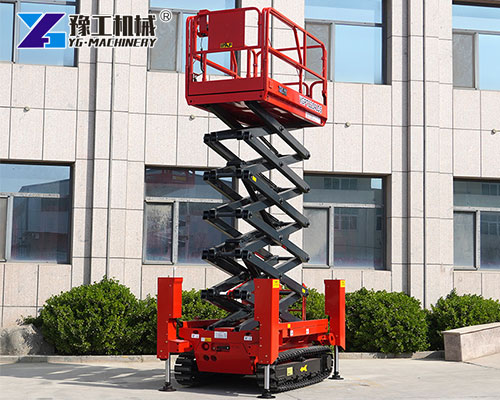
Spider lifts are compact aerial platform lifts equipped with outriggers for enhanced stability on uneven ground. Their lightweight structure makes them suitable for both indoor and outdoor environments.
Spider lifts are ideal for:
Glass installation
Tree maintenance
Renovation projects with narrow access
Mixed indoor-outdoor applications
They are especially valuable when ground conditions are challenging or access is restricted.
Trailer-Mounted Aerial Work Platforms
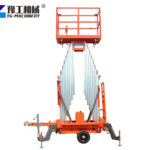
Trailer-mounted aerial platforms are designed for easy transportation between job sites. They can be towed by standard vehicles and set up quickly.
These lifts are commonly used for:
Municipal maintenance
Street lighting installation
Temporary construction projects
Contractors working at multiple locations
Their mobility makes them a cost-effective solution for short-term or scattered jobs.
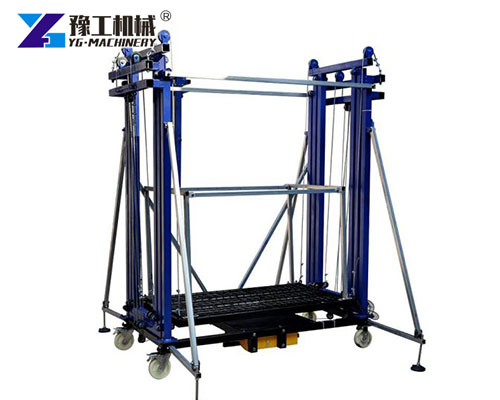
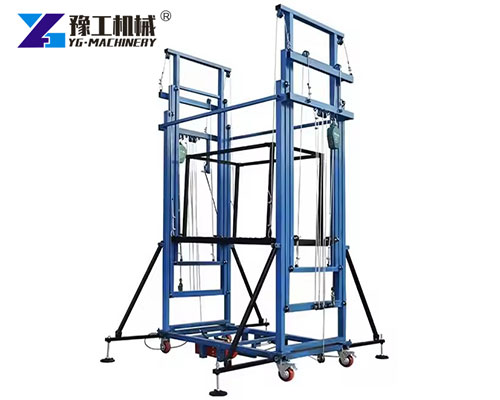
Electric Scaffolding Platforms
Electric scaffolding lifts provide a large working area and are suitable for long-span or façade-related operations. Unlike traditional lifts, they allow operators to move horizontally along building surfaces.
Typical applications include:
Exterior wall finishing
Curtain wall installation
Building façade maintenance
These platforms are especially useful for projects requiring continuous lateral movement at height.
Electric Scaffolding Lift Platform for Sale
Portable Electric Lift Scaffolding
How to Choose the Right Aerial Platform Lift for Your Project
Once you understand the different lift types, the next step is evaluating your project requirements.
Required Working Height and Reach
Working height refers to the maximum height at which operators can safely perform tasks. It is important to distinguish between platform height and working height.
For projects that require horizontal access over obstacles, boom lifts are usually the best choice. For vertical-only tasks, scissor lifts or vertical mast lifts are more efficient.
Load Capacity and Platform Size
Always calculate the total load, including:
Number of operators
Tools and equipment
Materials
Scissor lifts and electric scaffolding platforms typically offer higher load capacities, making them suitable for heavier tasks.
Jobsite Conditions
Consider the working environment carefully:
Indoor or outdoor use
Flat or uneven ground
Access width and transport limitations
Spider lifts and trailer-mounted platforms are well-suited for challenging or changing site conditions, while vertical mast lifts excel in confined indoor spaces.
Power Options
Aerial platform lifts are commonly available in:
Electric power (quiet, emission-free, ideal for indoor use)
Diesel power (strong performance for outdoor and rough terrain)
Choosing the correct power type improves efficiency and ensures compliance with site regulations.
Application-Based Selection Examples
Choosing an aerial platform lift based on real application scenarios is one of the most effective ways to avoid misselection. Below are common project types and the most suitable aerial platform lift solutions for each scenario.
Construction Projects
Construction sites often involve complex working conditions, including uneven ground, obstacles, and varying height requirements. In these cases, boom lifts are usually the preferred option.
Telescopic boom lifts are ideal for large-scale outdoor construction where long horizontal reach is required, such as steel structure installation or bridge construction.
Articulated boom lifts are better suited for projects where workers need to reach over obstacles, such as pipes, machinery, or building extensions.
For short-term or multi-location construction projects, trailer-mounted aerial platforms offer flexibility and easy transportation between job sites.
Warehouse and Logistics Operations
Warehouses typically have flat floors, controlled environments, and repetitive tasks such as lighting installation, racking maintenance, and equipment setup.
Scissor lifts are widely used due to their excellent vertical stability and high load capacity, allowing multiple operators and tools to work simultaneously.
Vertical mast lifts are ideal for narrow aisles and confined spaces where maneuverability is critical.
Electric-powered lifts are usually preferred in warehouses to ensure quiet operation and zero emissions.
Facade Maintenance and Exterior Work
Building facade projects often require continuous vertical movement and, in some cases, lateral access along large wall surfaces.
Spider lifts are particularly suitable for facade maintenance where access is limited or ground conditions are uneven. Their compact design allows entry through narrow spaces, while outriggers ensure stability.
Electric scaffolding platforms are ideal for long-span facade work, such as wall finishing, painting, or curtain wall installation, where workers need a large, stable working area for extended periods.
Selecting the right lift for facade work can significantly improve efficiency and reduce setup time.
Indoor Installation and Maintenance
Indoor projects usually involve height restrictions, narrow access points, and strict safety or emission requirements.
Vertical mast lifts are commonly used in shopping malls, hotels, airports, and office buildings due to their compact size and easy maneuverability.
Semi-automatic scissor lifts can be a cost-effective solution for simple indoor tasks that do not require frequent movement.
In these environments, electric aerial platform lifts are strongly recommended to meet indoor safety and environmental standards.
Common Mistakes When Selecting an Aerial Platform Lift
Even experienced contractors can make mistakes when choosing an aerial platform lift. Understanding these common issues can help you avoid unnecessary costs and safety risks.
Focusing Only on Working Height
One of the most common mistakes is selecting a lift based solely on maximum working height. In many projects, horizontal outreach and platform positioning are equally important.
For example, a scissor lift may offer sufficient height but cannot reach over obstacles, making a boom lift the better choice despite similar height specifications.
Ignoring Site Access and Transport Constraints
Many projects have limited access points, narrow entrances, or weight restrictions. Choosing a lift that cannot be easily transported or maneuvered into position can cause delays and additional expenses.
Spider lifts and vertical mast lifts are often overlooked, even though they are specifically designed for restricted access environments.
Underestimating Load Requirements
Failing to accurately calculate load capacity is a serious safety risk. Operators often forget to include the combined weight of:
Personnel
Tools
Materials
Overloading an aerial platform lift can lead to equipment failure or unsafe working conditions. Always choose a lift with sufficient safety margin.
Selecting the Wrong Power Source
Choosing diesel-powered equipment for indoor use, or electric lifts for heavy outdoor terrain, can reduce efficiency and violate site regulations.
Understanding whether your project requires electric, diesel, or hybrid power is essential for both performance and compliance.
Choosing Price Over Suitability
Selecting the lowest-cost option without considering long-term suitability often leads to higher operating costs, frequent downtime, and reduced productivity.
The right aerial platform lift should be evaluated based on total project efficiency, not just initial purchase or rental price.
Final Thoughts: Choosing the Right Aerial Platform Lift
There is no one-size-fits-all solution when it comes to selecting an aerial platform lift. The right choice depends on your project’s height requirements, working environment, load capacity, and mobility needs.
By understanding lift types and evaluating real-world job site conditions, you can enhance safety, boost productivity, and manage project costs effectively. Working with an experienced manufacturer or supplier can also help you select the most suitable equipment for your specific application.