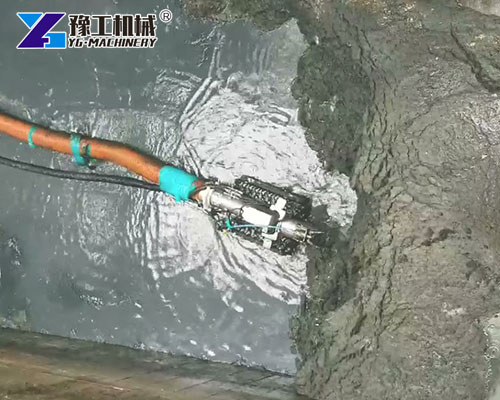
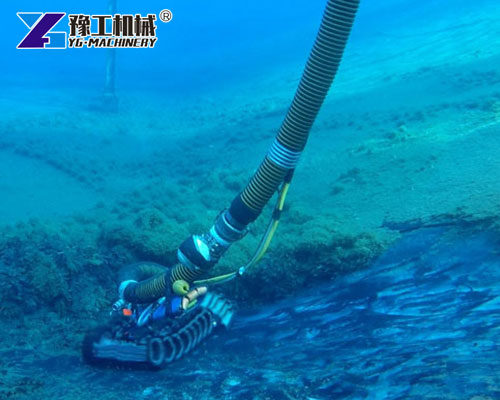
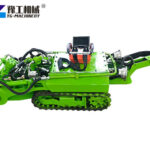
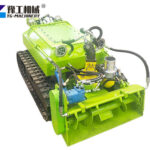
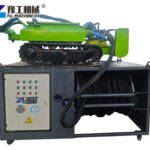
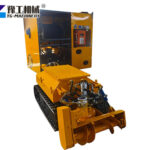
An underwater cleaning robot from YG Machinery was exported to an Australian dam cleaning project. The equipment has been shipped to the customer site and is now prepared for underwater sediment removal and maintenance work.
This case shows how a remotely controlled underwater system can replace manual diving and improve safety in complex water environments.
Project Background And Working Conditions of the Underwater Cleaning Robot
The customer is based in Australia and is responsible for dam and port maintenance. The main cleaning areas include sediment, debris, and long-term underwater deposits.
Working environment:
- The dam’s bottom has uneven terrain
- Mixed sediment and solid debris
- Low visibility underwater conditions
- Water depth changes across working zones
Main challenges:
- Manual diving is expensive and unsafe
- Traditional dredging equipment is not flexible enough
- Cleaning areas are spread across large water zones
- Frequent relocation increases operation cost
In this situation, the underwater cleaning robot is chosen to improve safety and flexibility in underwater maintenance tasks.
WhatsApp/WeChat/Phone: 86 138 3715 9132
Customer Selection Logic Of Underwater Cleaning Robot Was Based On Real Site Needs
The customer did not select the equipment immediately. Several solutions were compared before the final decision.
Initial options:
- Traditional suction dredger
- Manual diving cleaning team
- Fixed dredging equipment system
Customer decision focus:
- Ability to work without closing the dam or port area
- Flexibility for shallow and deep water zones
- Lower long-term maintenance cost
- Safer alternative to human diving work
Final direction:
- Move toward a remotely operated underwater cleaning solution
- But required confirmation on depth, distance, and stability
Underwater Cleaning Robot Parameter
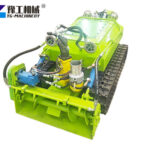
| Robot body | Robot size: 1650mm×900mm×600mm Drainage width: 900mm Travel speed: 3-17M/min | |
| 4-inch underwater slurry pump | Used for underwater pumping of sludge Pumpable particle diameter: 40mm (can be changed according to customer needs) Lift: 25 meters (horizontal conveying distance 100-150 meters) | 1 |
| Underwater hydraulic power source | Waterproof hydraulic system | 1 |
| Robot main control cabin (underwater) | Used to control all actions of the robot, including the start and stop of underwater hydraulics and the lighting system. | 1 |
| Underwater lighting system | 2 LED lights | 1 |
| Underwater camera system | Equipped with 1 underwater camera | Optional |
| Cable winding system | Electric drive (or manual), speed 0-10 r/min | 1 |
| Underwater pipeline | 50 meters | 1 |
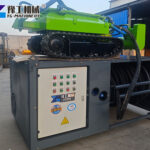
| Ground electric control system | ||
| Main electric control cabinet | Used to power various ground systems. | 1 |
| Main control console | Robot ground main control system, used to control the work of underwater robots | 1 |

| Attachments | Sewage pipe, 20 kg pressure resistance, steel frame, 50 meters long. | Optional |
| Work efficiency | 200 cubic meters per hour | |
Key Technical Concerns and the Engineering Communication Process
During the technical discussion, the customer focused on two main performance questions:
- What is the working depth of the underwater cleaning robot?
- What is the working distance range in real conditions?
Other concerns included:
- Signal stability underwater
- Risk of blockage in debris-heavy environments
- Performance in complex dam structures
The customer needed assurance that the system could work in real industrial conditions, not only in simple water environments.
Equipment Matching And Structural Optimization for an Underwater Cleaning Robot
After the engineering evaluation, the YG team provided a clear and expandable solution.
📌 Working depth and distance capability
The underwater cleaning robot standard configuration includes:
- Vertical working depth: up to 20 meters
- Horizontal working range: up to 100 meters
To meet larger project needs:
- The hydraulic hose length can be extended
- The power system can be upgraded for longer distance operation
- Suitable for large dams, ports, and multi-zone cleaning projects
📌 Debris handling system upgrade for dam bottom conditions
Since the dam bottom contains mixed debris, the system was upgraded with:
- Front filter cover system
- Prevents large debris from entering the pump system
- Reduces blockage risk
- Improves continuous operation stability
- Front cutting blade (auger system)
- Breaks small debris and soft sediment
- Improves sediment loosening efficiency
- Helps the suction system work faster
📌 Terrain adaptability with the crawler system
The dam bottom is not flat and includes slope areas. To solve this problem, the system uses a crawler base.
Crawler system advantages:
- Stable movement on uneven underwater ground
- Adaptable to mild slopes and sediment layers
- Reduces slipping risk during operation
- Improves safety in complex underwater structures
Equipment Matching Points And Real Working Challenges
The underwater cleaning robot is designed for integrated underwater operations.
Key features:
- Remote-controlled underwater cleaning system
- Suitable for dam, port, and reservoir maintenance
- Can enter narrow or complex underwater structures
Real working limits:
- Strong water current reduces stability
- High sediment density affects visibility feedback
- Complex structures require slower operation to avoid blockage
- Long continuous operation needs a periodic pause for cooling
Even with these limits, the system still improves efficiency compared with manual diving methods.
Delivery, Installation, and Field Operation Feedback
Delivery process:
- Factory testing for the waterproof and propulsion system
- Sea freight shipment to Australia
- On-site assembly and trial operation
Technical support:
- Remote guidance for system setup
- Adjustment based on water conditions
- Step-by-step operator training
Customer feedback:
- Safer than manual diving operations
- Higher efficiency in shallow water zones
- Able to access complex dam structures
- Reduced long-term maintenance costs
Limit feedback:
- Strong current areas reduce stability
- Continuous operation requires maintenance breaks
- Operator skill affects cleaning efficiency
Reference Value Of Underwater Cleaning Robot For Future Buyers
This case is useful for multiple industries and project types:
Suitable applications:
- Dam maintenance and reservoir cleaning
- Port sediment removal projects
- Industrial underwater debris cleaning
Key takeaways:
- An underwater cleaning robot is more suitable for flexible and distributed cleaning tasks
- It is not a replacement for large dredging ships, but a complementary solution
- Depth and distance can be customized based on project requirements
- Debris handling ability is critical in real dam environments
- crawler-based design improves performance in uneven underwater terrain
- remote operated underwater cleaning machine is best for long-term maintenance projects